Building From Within: How Guinea-Bissau is Forging Climate-Resilient Health Systems, Led by Women
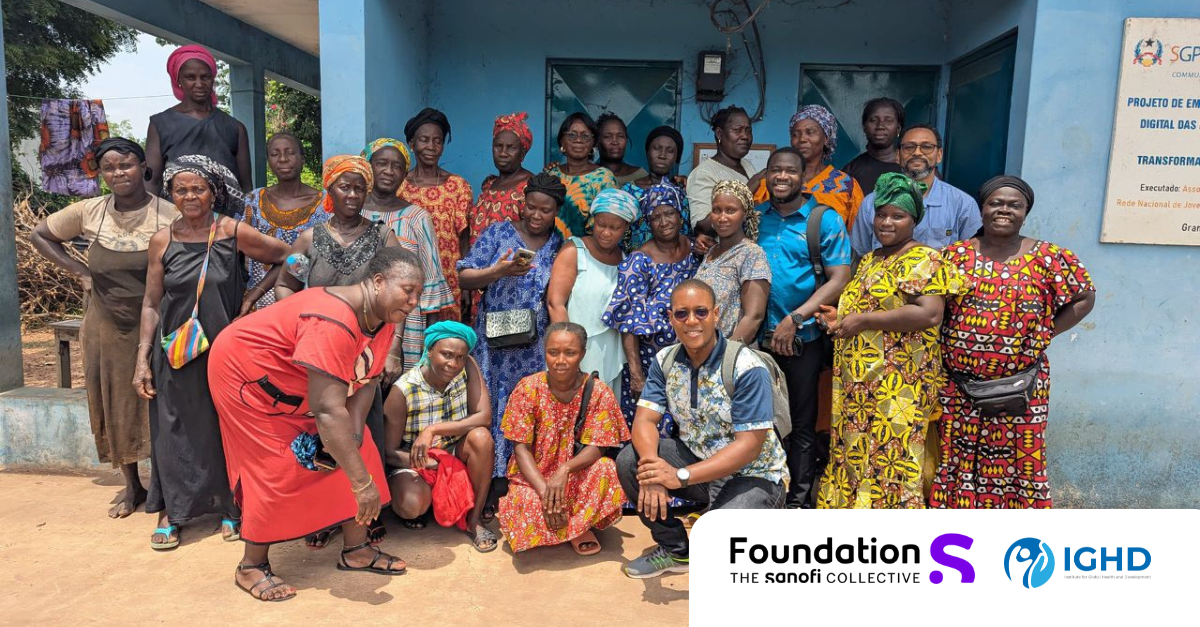
But in the Biombo and Bissau regions, a transformative response is taking root. The project "Enhancing Community and Health Systems Resilience in Guinea-Bissau" moves beyond viewing communities as vulnerable beneficiaries. Instead, it recognises them, and particularly the women within them, as the foremost architects of their own resilience. This initiative is a powerful blueprint for building climate-adaptive health systems from the ground up through empowerment, integration, and local leadership. The project’s core philosophy is that resilience cannot be imposed; it must be cultivated. It begins with the understanding that women are disproportionately affected by climate-related health risks, yet they also hold the key to sustainable solutions. As primary caregivers, agricultural producers, and custodians of family health, they possess critical knowledge and agency. The goal is explicit: to strengthen the adaptive capacity of women, girls, and vulnerable communities. The strategy to achieve it is even more telling. By empowering women and youth as change agents, the project invests in the very social fabric of the community. When women take on leadership roles in health and development, the benefits ripple outward. Decision-making improves, local solutions gain traction, and a powerful engine for sustainable social transformation is activated. This isn't just about surviving the next shock; it's about fostering an intergenerational legacy of strength and adaptability. Recognising that human, animal, and environmental health are inextricably linked, the project champions an Integrated One Health Approach. In practice, this means moving away from siloed responses and creating a connected web of care and awareness. A short-term project cannot combat a long-term crisis. The initiative’s true ingenuity lies in its embedded Sustainability Strategy, designed to ensure that progress continues long after the initial phase concludes. From June to November 2025, the foundational work has shown promising, tangible results: These figures represent more than metrics; they represent a shift. Social cohesion is strengthening as collective action becomes the norm. Traditional knowledge is being valued as a strategic asset. The beginnings of a sustainable social transformation, led by women, are visible. The work in Guinea-Bissau offers a vital lesson for global health and climate adaptation efforts worldwide: resilience is fundamentally social. It is built on trust, local leadership, and the empowered agency of those most affected. By seamlessly blending the One Health approach with gender-transformative action and deep community ownership, this project demonstrates a scalable model. It proves that the most effective solutions are those that listen to the wisdom of the community, invest in its people, and strengthen the systems that surround them. As climate challenges intensify, the path forged by the women and communities of Biombo and Bissau lights a way forward—not merely to withstand the storms ahead, but to grow stronger because of them.In the coastal regions of Guinea-Bissau, where the rhythms of life are intimately tied to the land and sea, climate change is not a distant threat—it’s a daily reality. Increasingly unpredictable rains, rising temperatures, and saline intrusion into freshwater sources are not just environmental issues; they are direct catalysts for health crises, threatening nutrition, spreading disease, and straining already fragile community structures.
The Foundation: Placing Women and Girls at the Centre
An Integrated "One Health" Approach: Connecting the Dots
The Pillars of Sustainability: Ensuring Change Endures
Early Impact: The Seeds of Transformation
The Way Forward: A Model of Hope
Follow Us
Inspiring People
Accelerating Development
Transforming Lives